
Dental Implants in Richmond, TX
The Closest Thing to Your Natural Teeth
Restore a missing tooth with a long-lasting solution designed to look, feel, and function like a natural tooth. Planned and placed at our Richmond office, with convenient access from Katy and Fulshear.
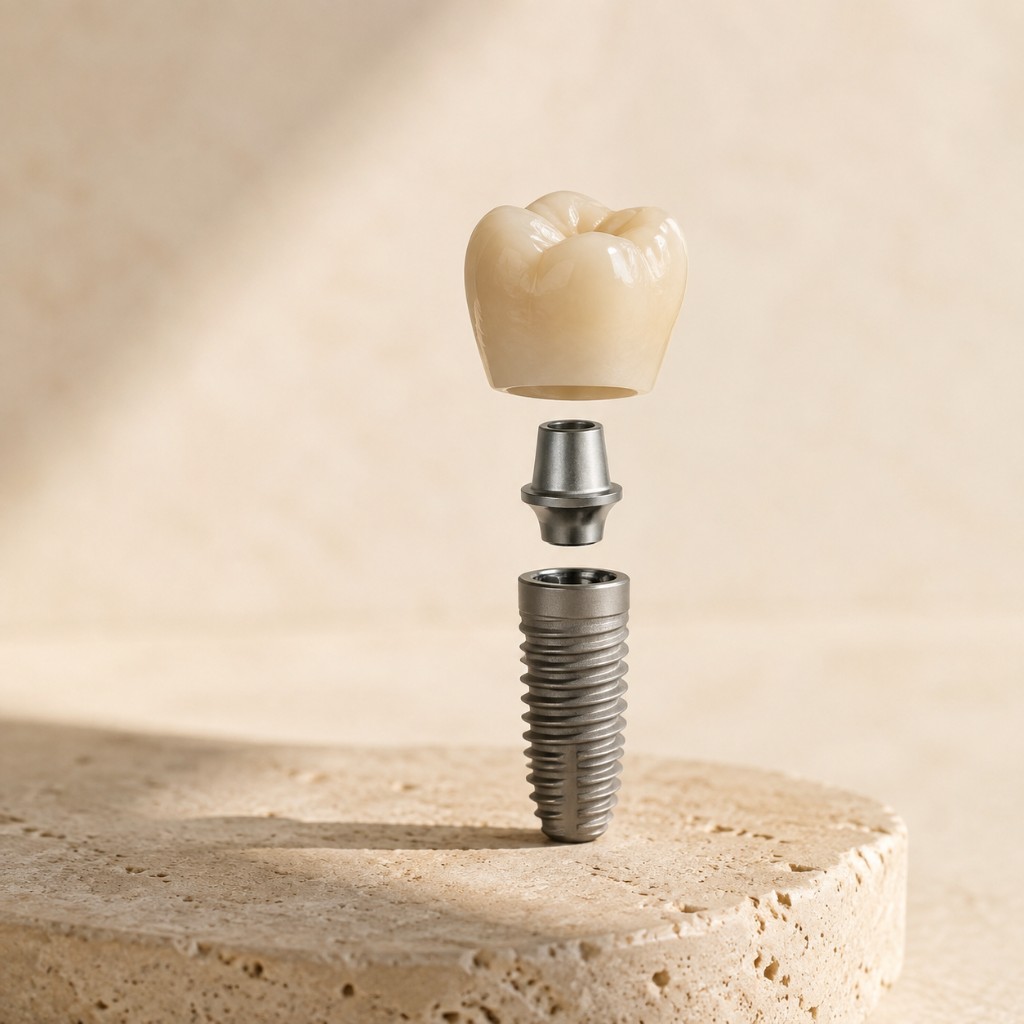
Why Choose Dental Implants?
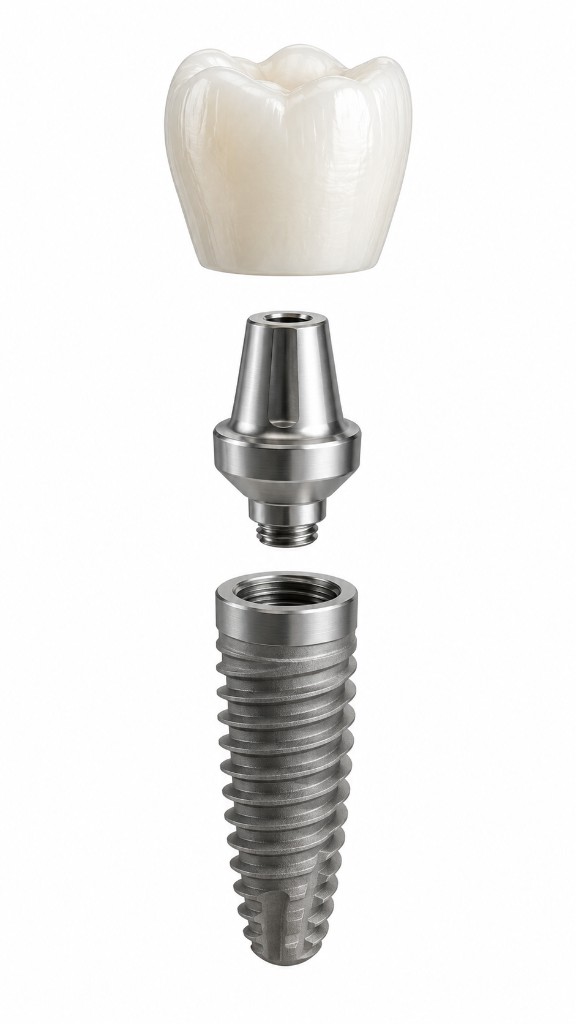
An implant replaces the root as well as the tooth. That is what lets it sit in the jaw on its own, without leaning on the teeth beside it.
-
Natural Appearance
The crown on top is made to match the shape, shade, and translucency of the teeth around it.
-
Long-Lasting Solution
Built as a long-term answer to a missing tooth rather than something to be redone every few years.
-
Protects Jawbone
Chewing load travels through the implant into the jaw, which helps preserve the bone a missing tooth leaves unused.
-
Eat Your Favorite Foods
Anchored in bone, so biting and chewing feel much closer to a natural tooth than a removable option.
-
Comfortable & Secure
Fixed in place. Nothing to take out at night, and no movement while you eat or speak.
-
Doesn't Affect Healthy Teeth
An implant stands on its own, so healthy teeth either side are left untouched — unlike a bridge.
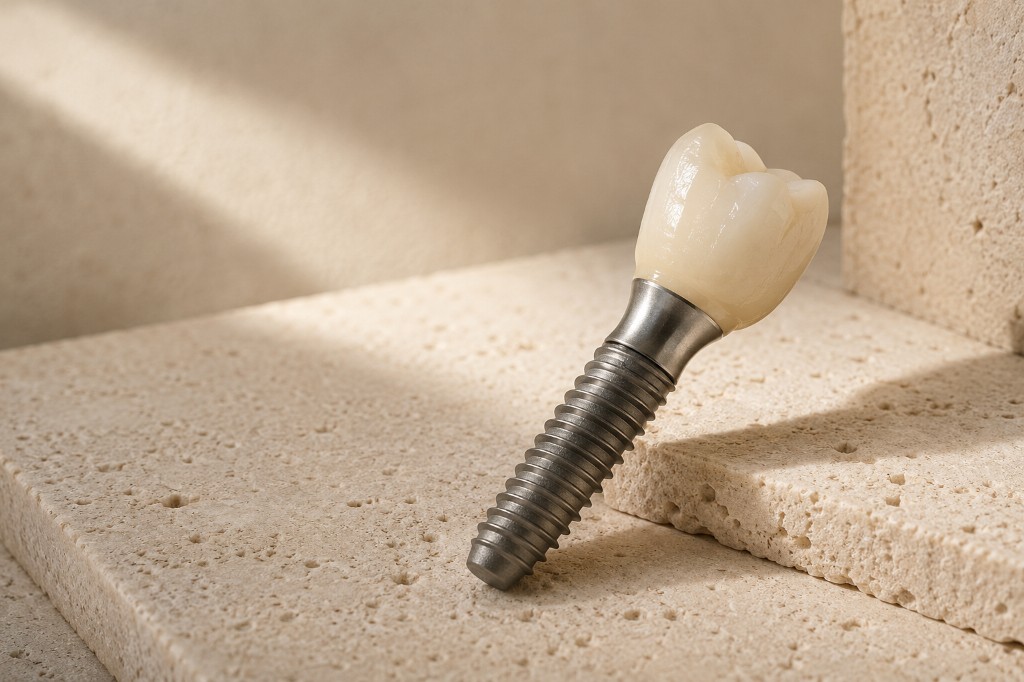
Are You a Good Candidate for Dental Implants?
Most adults missing one or more teeth can be considered for implants. What decides it is your gum health, the amount of bone available, and your general health — which is why the answer comes from an examination rather than a website.
You may be a good candidate if you:
- Are missing one or more teeth
- Have healthy gums
- Have enough jawbone, or are open to bone grafting if needed
- Want a fixed alternative to dentures or bridges
- Want to eat, speak, and smile with confidence
Even if you have been told you are not a candidate, bone grafting and careful treatment planning can sometimes make implant treatment possible. The only way to know is a comprehensive evaluation.
Which Option Is Right for You?
We'll recommend the treatment that best fits your health, goals, and budget—not simply the most expensive option.
Scroll to compare →
| Feature | Implant | Bridge | Denture |
|---|---|---|---|
| Appearance | |||
| Feels Natural | ✓ | ✓ | — |
| Bone Preservation | ✓ | — | — |
| Adjacent Teeth Altered | No | Yes | No |
| Timeline | 3 – 6 months | 2 – 3 weeks | 3 – 6 weeks |
| Procedure | Minimally Invasive | No Surgery | No Surgery |
| Long-term Value |
Not sure which option is best? That's exactly what your consultation is for. When a removable replacement fits better, we also plan full and partial dentures. If the jaw needs more support first, bone grafting can be part of the same plan.
From First Visit to Final Tooth
-
Consultation & 3D Imaging
Comprehensive exam and 3D digital scan
-
Treatment Planning
A written plan designed for your specific needs
-
Implant Placement
Implant is placed with precision and care
-
Healing & Integration
Implant bonds with your jawbone
-
Final Restoration
Custom crown completes the tooth
Understanding the Cost of Dental Implants
The cost of implant treatment varies based on your unique needs. For many patients, a single implant with crown typically ranges from Typical estimated range for a straightforward single-tooth implant, abutment, and crown. Your total may vary based on extraction needs, bone grafting, implant location, materials, and insurance benefits. You'll receive a personalized written estimate before treatment begins. .
Why Choose Sunstone Dental?
Implant treatment is planned and carried out by one dentist, Dr. Jimmy Wei — from the first examination through to the crown that finishes it.
-
3D Imaging & Digital Planning
3D CBCT imaging and digital planning help evaluate bone and plan implant position before treatment.
-
Personalized Care
One dentist, from the first exam to the final crown.
-
Conservative Approach
The least treatment that will do the job properly.
-
Honest Recommendations
If an implant is not right for you, we will say so.
-
Comfortable Experience
Questions welcome, at a pace set by you.
Common Questions About Dental Implants
How much does a dental implant cost?
Implant cost depends on what is actually needed: the implant itself, the final crown, whether a tooth first needs to be removed, and whether bone grafting is necessary. We provide a written treatment plan before treatment begins so you can see the recommended procedures and anticipated costs clearly.
Does getting a dental implant hurt?
The area is numbed with local anesthesia during implant placement, so you may notice pressure or vibration rather than sharp pain. Some soreness or swelling afterward is normal. How recovery feels varies by the procedure and the person, and we will go over aftercare before you leave.
How long does dental implant treatment take?
Many straightforward implant cases take several months from implant placement to the final tooth because the implant needs time to integrate with the jawbone. Bone grafting, extraction healing, implant location, and your own healing can change the timeline. We will give you a more useful estimate after seeing your 3D imaging.
Am I a good candidate for dental implants?
Many adults with one or more missing teeth can be considered for implants. We look at gum health, available bone, general health, the space being restored, and your bite. Having some bone loss does not automatically rule implants out because grafting may be an option in selected cases.
Will I need a bone graft before a dental implant?
Not everyone does. A bone graft may be recommended when the jaw does not have enough healthy bone to support an implant predictably. Sometimes grafting can be done at the time of an extraction or implant placement; other situations need a separate healing stage first.
How long do dental implants last?
Dental implants are intended as a long-term tooth-replacement option, but there is no universal expiration date. Long-term success depends on healthy gums and bone, daily cleaning, regular dental care, bite forces, smoking, and general health. The crown on top may eventually need maintenance or replacement even when the implant itself remains healthy.
Visit Sunstone Dental in Richmond, TX
23565 FM 1093, Suite 103Richmond, TX 77406
The implant consultation is at our Richmond office on FM 1093, near Grand Parkway, with access from Katy and Fulshear.
Ready to Smile with Confidence Again?
Schedule your consultation and find out which option genuinely suits you.
- Comprehensive evaluation
- Personalized recommendations
- Insurance review
- Transparent pricing
- No pressure, no obligation