
- Home
- Services
- Cosmetic Dentistry
- No-Prep Veneers
No-Prep Veneers
What no-prep really means — and when it makes sense
No-prep veneers are ultra-thin shells bonded to the front of teeth with little to no enamel removal. At Sunstone Dental in Richmond, we recommend them only when your tooth shape, bite, and goals support a natural-looking result — for patients across Katy, Fulshear, and West Houston.

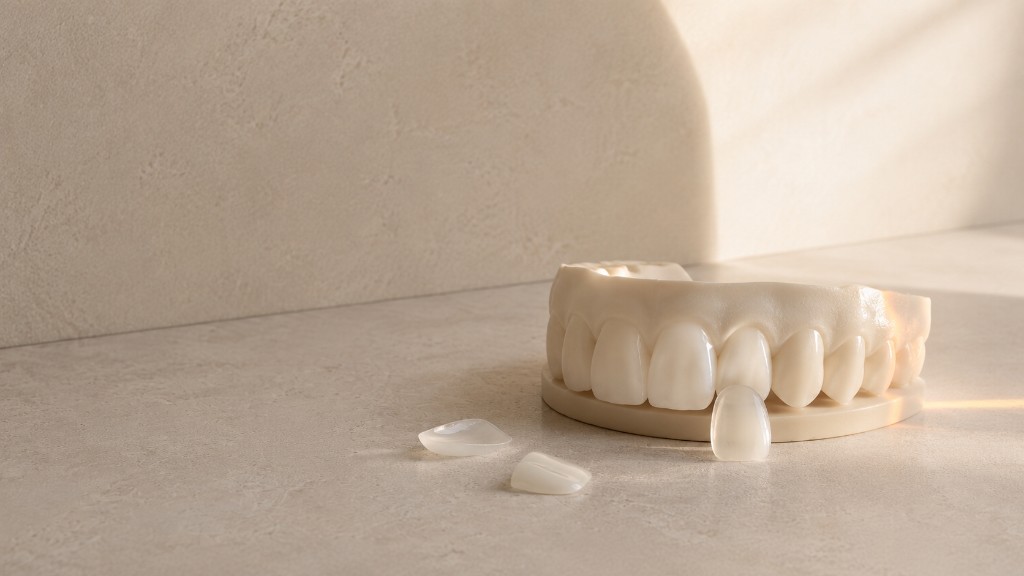
Veneers with as little enamel change as possible
No-prep veneers are custom-made shells — often porcelain — bonded to the front of a tooth without the traditional enamel reduction that standard veneers require. The term sounds simple, but the reality is more nuanced: a thin shell still needs room to sit naturally against the gum line and beside neighboring teeth.
When a tooth is already well positioned and has enough space for a veneer to look proportional, little to no preparation may be possible. When it is not, a minimal-prep or traditional approach is usually the more honest recommendation — and the one that protects your long-term oral health.
Three different approaches to veneers
Not every smile needs the same level of preparation. We choose the approach based on your teeth — not the marketing term.
-
Traditional Prep
A thin layer of enamel is shaped so the veneer sits flush with surrounding teeth. Offers the most flexibility for color, shape, and proportion changes.
Most design flexibility
-
Minimal Prep
Only a small amount of enamel is adjusted — often on the sides or biting edge — to help the veneer blend in. A middle ground when full prep is more than needed but zero prep is not enough.
Conservative & versatile
-
True No-Prep
The veneer is bonded with little to no enamel removal. Best suited to teeth that already have favorable shape and position, where adding a thin shell will not look bulky.
Maximum enamel preservation
Compare your veneer options
A side-by-side look at how each approach differs. Your dentist will recommend what fits your teeth — not simply the most involved option.
Scroll to compare →
| Feature | Traditional Prep | Minimal Prep | True No-Prep |
|---|---|---|---|
| Tooth Reduction | Moderate | Minimal | None to very little |
| Preserves Enamel | Partial | Most | Highest |
| Design Flexibility | Most | Good | Limited |
| Best For | Major shape or color changes | Moderate refinements | Selected cases with favorable tooth position |
| Risk of Looking Bulky | Lowest | Low | Higher if not a good candidate |
The right approach depends on your tooth anatomy, bite, and goals. Not every patient is a candidate for true no-prep veneers.
What no-prep veneers can offer
When the clinical fit is right, no-prep veneers combine a refined smile with a conservative approach to your natural teeth.
-
Enamel preservation
Little to no enamel is removed, keeping more of your natural tooth structure intact when the case allows.
-
Natural appearance
Shade, shape, and translucency are matched to your face and surrounding teeth for a cohesive result.
-
Less invasive visit
When no preparation is needed, the bonding appointment is often simpler and more comfortable than a traditional prep day.
-
Reversible consideration
Because less enamel is altered, some patients feel more at ease knowing more of their original tooth remains — though veneers are still a long-term commitment.
-
Digital planning first
Photos and scans help preview whether a no-prep approach will look natural before any treatment begins.
-
Stain-resistant porcelain
High-quality porcelain resists everyday staining better than natural enamel, helping your smile stay bright over time.
When no-prep veneers may be a good fit
True no-prep veneers work best for selected cases. These are common situations where patients ask — an exam confirms what is actually appropriate.
- Teeth already well positioned
- Mild discoloration or staining
- Small chips or worn edges
- Slight size differences
- Minor spacing concerns
- Healthy enamel and gums
No-prep is not right for every tooth. Significant crowding, a heavy bite, active decay, or teeth that would look bulky with a thin shell may call for minimal-prep, traditional veneers, or a different treatment altogether.
Can I really get no-prep veneers?
That question deserves a straight answer — and it starts with looking at your teeth, not a brochure. At Sunstone Dental, we evaluate whether a no-prep approach will actually look natural and function well in your bite.
If true no-prep is not the right fit, we will tell you why and walk through alternatives — including minimal-prep veneers, traditional porcelain veneers, whitening, or aligners — so you can make an informed decision.
-
Photos
-
Smile Design
-
Bite Evaluation
-
Personalized Plan
Your no-prep veneer journey
Most cases follow a clear path from consultation to final bonding. Timelines vary based on the number of teeth and whether any minimal preparation is needed.
-
Consultation
We discuss your goals and evaluate whether no-prep is appropriate
-
Photos & digital scan
Records are captured to plan your smile and assess tooth position
-
Smile preview
You review proposed shape, shade, and proportion before proceeding
-
Approach confirmed
We finalize no-prep, minimal-prep, or an alternative together
-
Veneer fabrication
Your custom veneers are crafted to match the approved design
-
Bonding & adjustment
Veneers are placed, checked in your bite, and polished
Results that look like you — refined
No-prep veneers can make a meaningful difference when the case is well selected. Results depend on your starting point, how the veneers are cared for, and whether the no-prep approach was truly the right fit for your teeth.
A few things worth knowing:
- Not every tooth qualifies for true no-prep — and that is OK
- Veneers are a long-term commitment, even with minimal enamel change
- They may need replacement eventually, depending on wear and care
- Whitening products do not change the color of existing veneers
- A night guard may be recommended if you grind your teeth
We choose the approach based on your smile — not the marketing term. Your consultation is where we look at what is realistic for your teeth and talk through whether no-prep veneers, a different veneer approach, or another treatment is the right fit.
Why patients choose Sunstone for no-prep veneers
Cosmetic care here is planned and carried out by one dentist, Dr. Jimmy Wei — from the first conversation through to the veneers that finish it.
-
Honest candidacy assessment
We will tell you plainly if no-prep is not the right approach — and explain what would work better for your teeth.
-
Conservative by default
Healthy enamel is preserved wherever it can be. We start with the least invasive option that still achieves a natural result.
-
Digital planning first
You will see the direction of your smile before anything irreversible happens — with time to decide, and no pressure.
Related cosmetic treatments
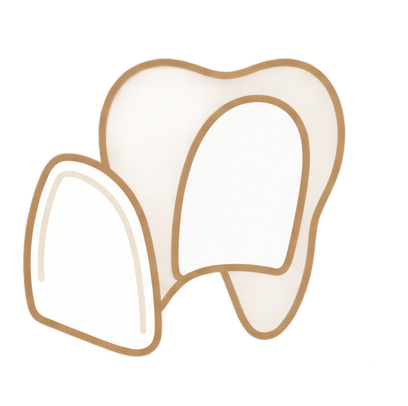
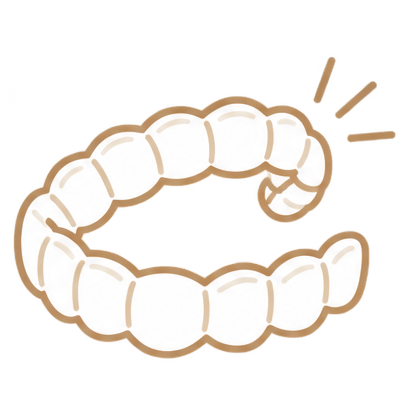
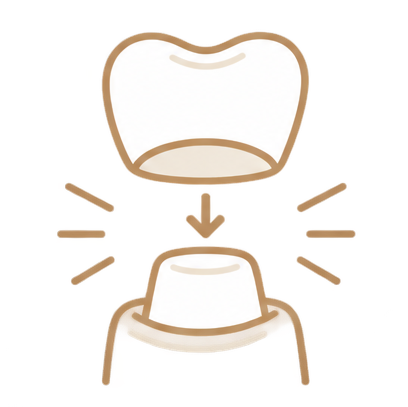
No-prep veneers are one option within cosmetic care at Sunstone. These treatments are often considered alongside — or instead of — veneers.

Common Questions About No-Prep Veneers
What are no-prep veneers?
No-prep veneers are very thin restorations bonded to the front of selected teeth with little or no enamel reduction. They are an additive treatment, which means they work best when adding a small amount of material improves the tooth rather than making it look too large.
Do no-prep veneers really require no tooth shaving?
Sometimes they truly require no enamel reduction, but “no-prep” should not be treated as a promise for every tooth. Small contouring or minimal preparation may still produce a more natural result in some cases. We decide that after looking at the position, shape, enamel, and bite.
Who is a good candidate for no-prep veneers?
They tend to work best when teeth are naturally small, narrow, slightly worn, spaced, or positioned in a way that leaves room to add a thin layer of material. Teeth that already project forward, are heavily crowded, or need a major color change may require a different approach.
Will no-prep veneers make my teeth look bulky?
They can if they are used on the wrong teeth. Because no-prep veneers add material, there has to be enough room for that material to sit naturally. Candidate selection matters more than simply choosing the thinnest veneer.
Are no-prep veneers reversible?
They preserve substantially more natural tooth structure than conventional veneer preparation, but we do not market them as something you can simply peel off later. Veneers are strongly bonded to enamel, and removing them is still a dental procedure. It is better to think of no-prep veneers as conservative, not casually reversible.
How long do no-prep veneers last?
Well-planned no-prep porcelain veneers can be a long-term restoration, but lifespan varies with the enamel bond, bite, grinding habits, oral hygiene, and material used. We would rather evaluate the tooth and give realistic expectations than promise a fixed number of years for every patient.
We choose the approach based on your smile — not the marketing term
Book a cosmetic consultation and find out whether no-prep veneers are right for you. Convenient for patients from Katy, Richmond, and Fulshear.
- Comprehensive evaluation
- Digital smile preview
- Written treatment plan
- Insurance review
- No pressure, no obligation